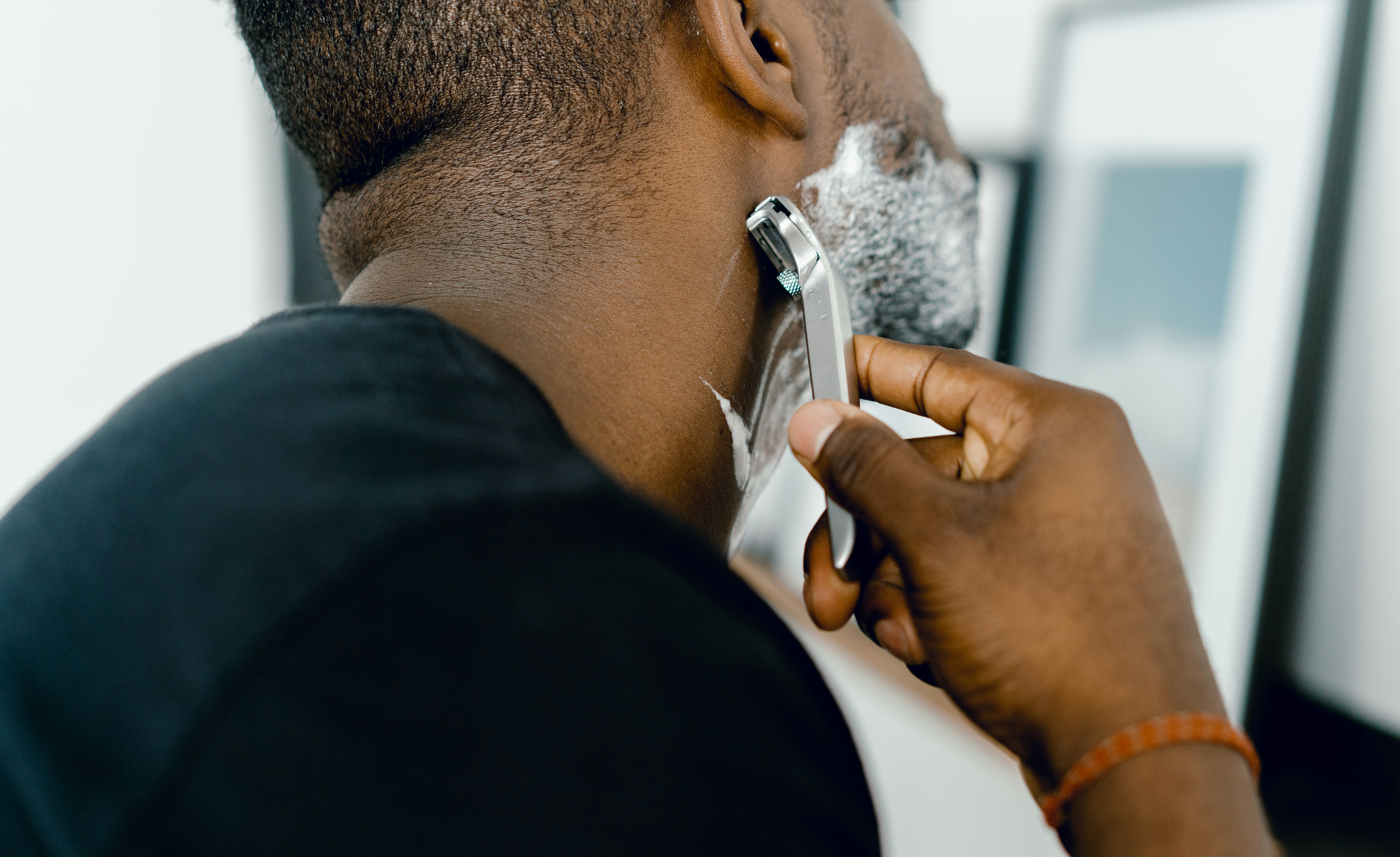
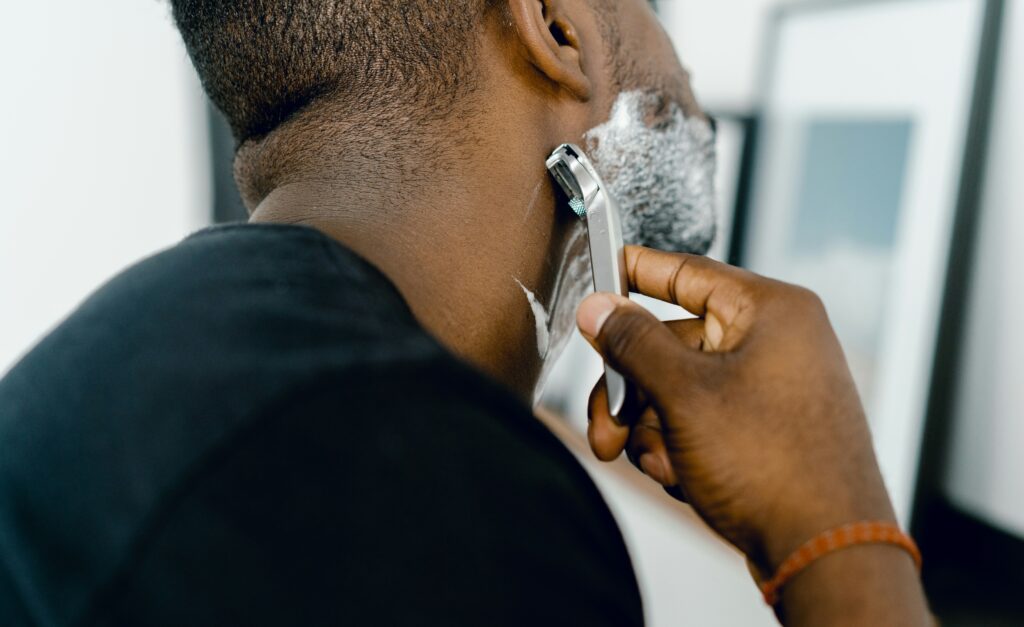
Has your employer asked you to shave for a respirator fit test (RFT) as part of a pre-employment medical or workplace health assessment?
It might feel like an unusual request—especially if you like a bit of stubble or a full beard—but there’s a good reason for it. Getting that razor out is an important step in keeping you safe at work.
Here are five reasons why it’s important, plus some situations where you might be allowed to keep your facial hair.
1. Because facial hair creates a poor-fitting seal
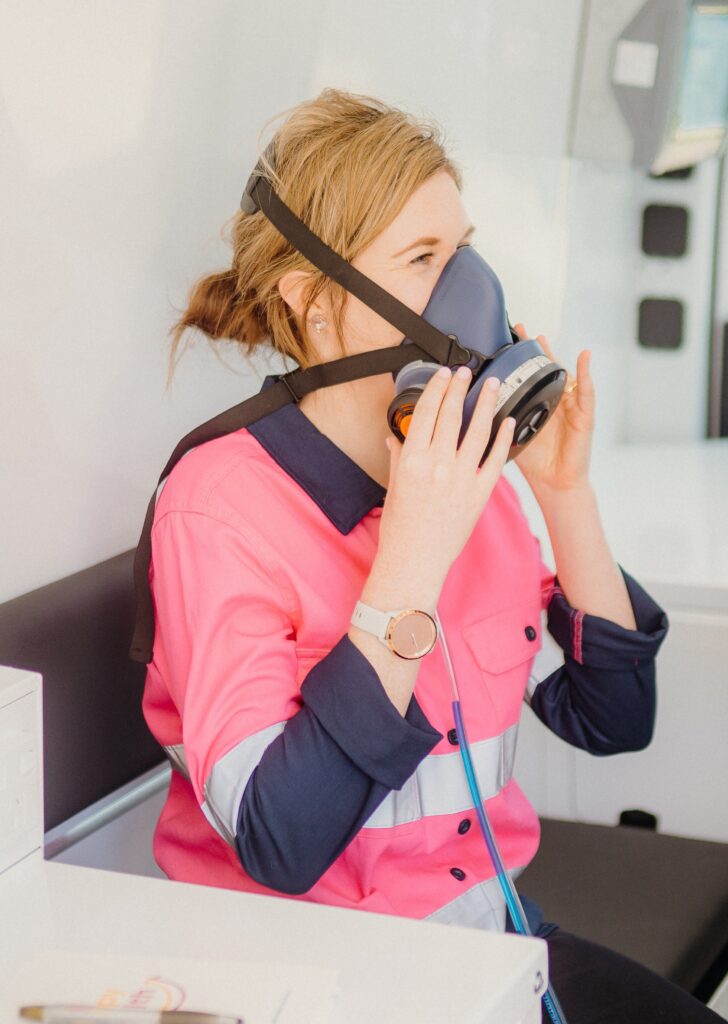
Tight-fitting respirators only protect you if they form a proper seal against your skin, keeping harmful substances and airborne contaminants out of your lungs.
Even small amounts of stubble, beards or moustaches in the facial seal area can create gaps, reducing the mask’s effectiveness and leaving you unprotected.
According to respiratory protection standards, any facial hair that grows in the last 24 hours and comes between the mask’s sealing surface and your face can stop the respirator from working properly.
If you wear additional PPE or prescription eyewear on the job, you should wear it during the fit test. Earmuffs, hard hats, visors or even heavy clothing can also interfere with the way a respirator fits and prevent a good seal.
Our Happy Health specialists use a probe and Portacount™ machine, then measure your mask’s seal to ensure it’s fully effective.
2. You won’t be able to take the test – or do the work
If you turn up with facial hair in the sealing area and can’t achieve a proper tight fit on the respirator’s seal, you may be unable to wear the required respirator and could be sent home or reassigned until a safe solution is found.
Excessive leakage won’t tick that box! To avoid delays, shave before your test.
3. Your employer can’t meet legal standards
If you don’t shave and can’t take the test, your employer can’t meet their legal requirements under work health and safety (WHS) laws.
Under WHS law, your employer must ensure the health and safety of their workers by eliminating or minimising risks as much as is reasonably practical. This includes providing personal protective equipment, including respirators, to protect from hazardous particles.
It also includes ensuring your respirator mask is the right size, a good fit and comfortable for you to wear.
4. To keep your lungs happy and healthy
A properly fitted respirator is your first line of defence against dust, fumes, smoke, and other airborne hazards in the workplace. Shaving ensures the mask forms a complete seal, so harmful particles stay out of your lungs.
Regular use of a well-fitted respirator helps prevent long-term lung problems like occupational asthma, chronic obstructive pulmonary disease (COPD), and other dust-related conditions, such as pneumoconiosis.
By taking this simple step—shaving before your fit test—you’re not only helping your employer meet safety regulations, you’re actively protecting your own health.
See also: Pre-employment medical test fail? Here’s what you need to know
5. It’s best practice for wearing it on the job
If you wear a tight-fitting respirator, staying clean-shaven isn’t just for the fit test. It’s a must every time you put it on. The mask only works if it seals completely against your skin, and even a little stubble or facial hair can let harmful dust, fumes, or smoke slip through.
Being clean-shaven ensures the respirator can fully protect your lungs every time you’re on the job.
Workers must be fit tested before using a respirator in the workplace and then retested at least every 12 months. Anything that changes facial structure, such as sudden weight loss or gain, should also prompt a repeat test.
Exemptions from shaving for RFT?
You may be exempt from being clean-shaven for personal, cultural (e.g., religious beliefs), or medical reasons (e.g., skin conditions like acne or eczema). Make sure you talk to your employer before your respirator fit test.
Alternative respiratory protective equipment, such as loose-fitting powered air-purifying respirators (PAPRs), can be arranged to keep you safe while working in high-risk environments. You don’t need to go for an RFT for these types of masks. However, you’ll still need to be trained on how to use it correctly.
Discussing exemptions in advance ensures the right equipment and training are in place so the fit test and your work can proceed safely.
Shave that facial hair!
If you’re going for an RFT and aren’t exempt from alternative protection, making sure you shave is important for all of these reasons. It will help keep your lungs clear, keep you working, and ensure your employer can maintain safety standards and build a happy, healthier workplace!
Learn more about respirator fit testing with Happy Health.