
Accurate and fast mining medicals
That means organising a mining medical for each worker before and throughout their career on your site. At Happy Health, we have the expertise and resources to deliver accurate, function-based coal mine workers’ health assessments. Choose us for accurate, hassle-free coal board medicals for NSW, South Australia, and Queensland coal mine workers.
Our health screening vans and visiting doctors can perform coal mining medicals on-site, saving time and hassle. Alternatively, employees can come to one of our clinics.
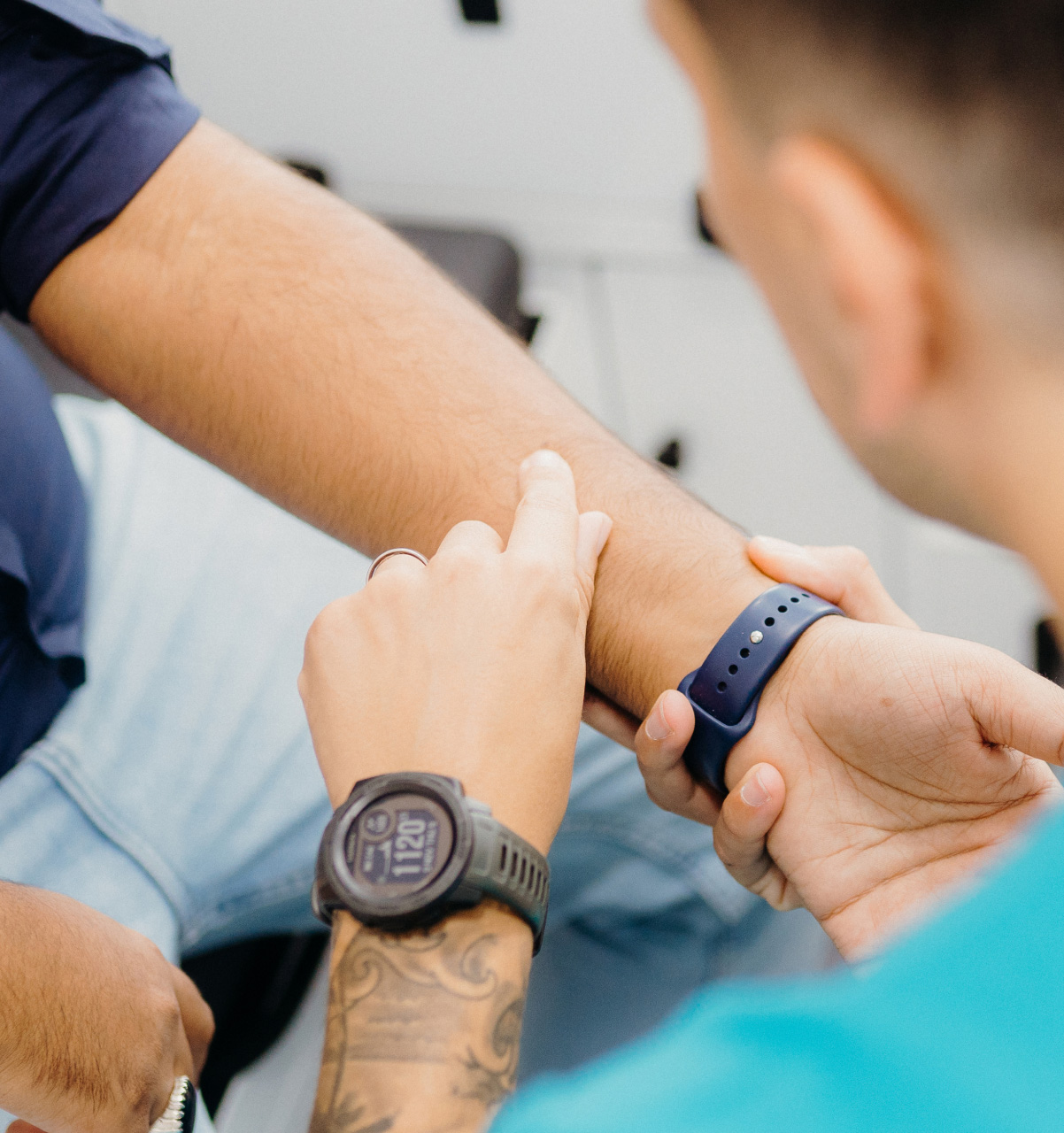
QLD Coal Board Medical
We offer Coal Board Medicals to workers currently in NSW who will be placed at a mine in Queensland. This medical is required under the Coal Mine Workers’ Health Scheme, which protects miners’ health and safety with mandatory periodic health assessments.
Our QLD Coal Board Medical includes the following checks:
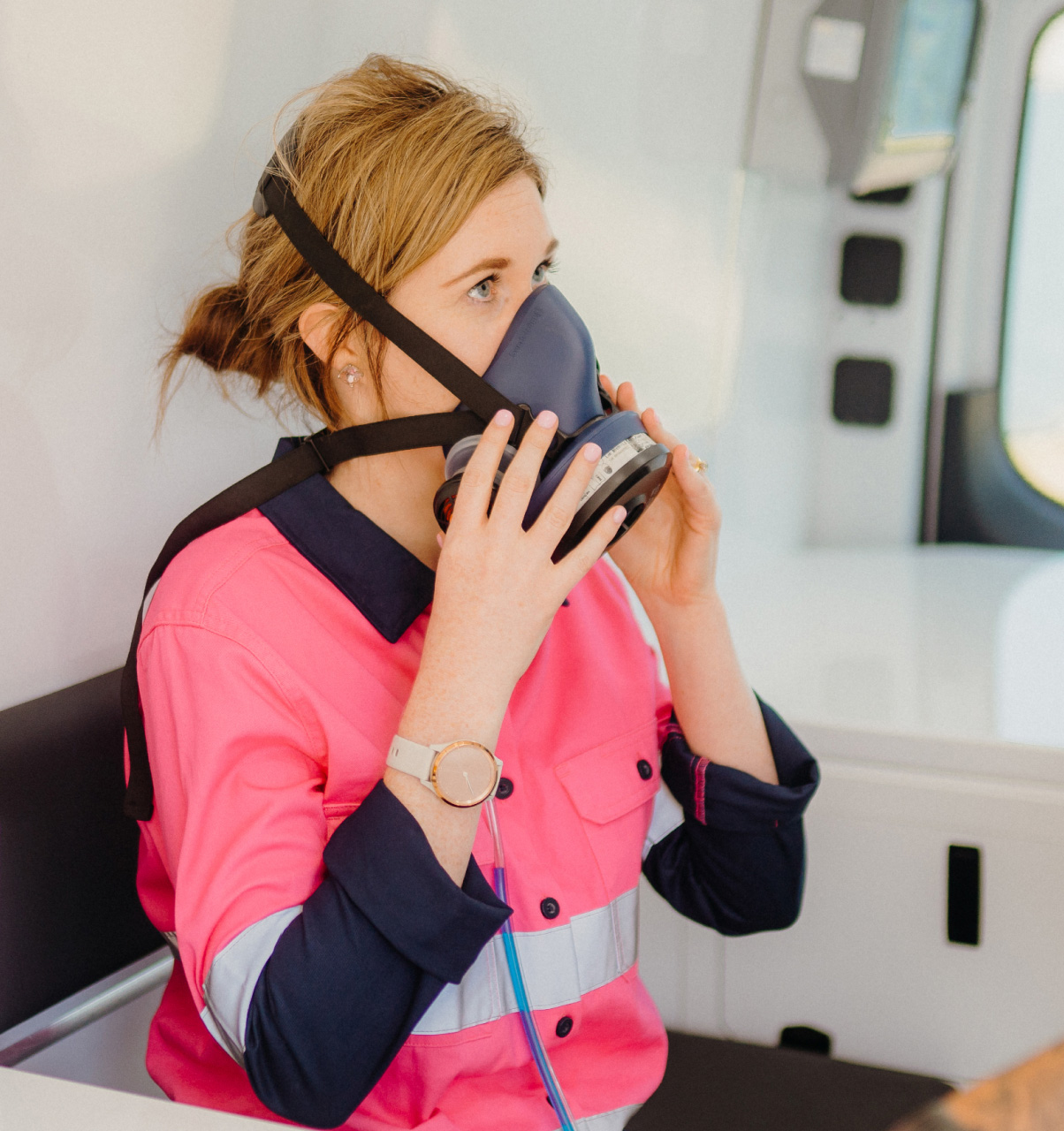
- Respirator fit test
- Respiratory questionnaire
- Chest x-ray
- Spirometry test
- Cardiovascular system examination
- Musculoskeletal system examination
- Hearing test
- Vision test
- Auditory canal examination
- Abdomen examination
- Skin check
- Urinalysis
- Medical history questionnaire
Once all tests have been completed, our occupational health specialist will provide you with a summary report called a Section 4. This details whether the individual is fit, fit with restrictions or unfit to work.
NSW Order 45 Mining Medical
The Order 45 Mining Medical falls under the NSW Coal Mining Health and Safety Scheme. These mandatory pre-placement and periodic health assessments aim to protect the well-being of coal mine workers with the following tests:
- Respirator fit test
- Respiratory questionnaire
- Chest x-ray
- Spirometry test
- Cardiovascular system examination
- Musculoskeletal system examination
- Hearing test
- Vision test
- Auditory canal examination
- Abdomen examination
- Skin examination
- Urinalysis
- Medical history questionnaire
Chest X-Ray reported to ILO standards
A chest X-ray helps to ensure your miners receive an early diagnosis for any present lung disease, including Coal Workers’ Pneumoconiosis. We provide chest X-ray services to International Labour Organisation (ILO) Standards alongside accredited imaging providers. This highly complex and validated approach to radiology reporting records any disease progression with the utmost accuracy.
Frequently asked questions
Here are some of the most common questions we get asked about our QLD and NSW medical tests for mining jobs.
What is coal workers' pneumoconiosis?
Coal workers’ pneumoconiosis (CWP), also known as ‘black lung’, is a chronic respiratory disease caused by prolonged exposure to coal dust. Long-term inhalation of dust particles can inflame our alveoli, eventually causing permanent lung damage. Alveoli are small sacs in our lungs that facilitate the exchange of oxygen and carbon dioxide between the lungs and the bloodstream. The severity of CWP varies from simple to advanced, when it becomes progressive massive fibrosis (PMF). A debilitating, often life-threatening condition, PMF must be detected and treated as early as possible.
When will a mining medical report be available?
This is dependent on Coal Services requirements and processing timeframe. Please allow a minimum of 5 business days to receive your report.
Can you do a pre-employment medical at the same time?
Yes. If your business needs more than one assessment, we can often complete them in the same appointment.
Coal mine worker health assessments are quite specific in what they allow employers to see. In Queensland, employers receive the Health Assessment Report, previously known as Section 4. In NSW, employers receive the relevant Order 45 health assessment certificate. In both cases, employers only receive the information permitted under the scheme, unless the employee gives their consent to share additional information.
That’s why we often suggest booking a pre-employment medical at the same time.
Workers are required to provide written consent before certain medical information is shared. The assessment process is structured to protect privacy while still meeting workplace requirements. Clear separation of information helps support both compliance and confidentiality.
How long does an Order 45 Medical last?
A NSW Order 45 Mining Medical is valid for 3 years and must be performed every 3 years.
How long does a Coal Board Medical last?
A QLD Coal Board Medical is valid for 5 years and must be performed every 5 years.
What is a mining medical?
A coal mine worker’s health assessment is a formal workers health assessment designed to monitor coal mine workers health over time. It includes a range of clinical tests and a detailed medical examination.
This type of health assessment helps detect early signs of respiratory diseases, including coal workers’ pneumoconiosis and other dust lung diseases.
What is a coal mine worker's health assessment?
A coal mine worker’s health assessment is a formal workers health assessment designed to monitor coal mine workers health over time. It includes a range of clinical tests and a detailed medical examination.
This type of health assessment helps detect early signs of respiratory diseases, including coal workers’ pneumoconiosis and other dust lung diseases.
Who needs to undergo compulsory health assessments?
In many cases, coal workers are required to undergo compulsory health assessments before starting work and at set intervals during their employment. These compulsory health assessments are part of broader workplace requirements in the NSW and Queensland coal industry, and across Australia.
They ensure mine workers are medically fit and able to perform their role safely.
What tests are included in the health assessment process?
The health assessment process typically includes:
- A full medical examination by a qualified medical professional
- Respiratory testing to assess lung function
- A chest X-ray or a current chest X-ray to screen for lung conditions
- Review of medical information and work history
These steps help ensure a thorough and consistent complete assessment.
Why is a chest X-ray required?
A chest X-ray plays a key role in detecting early signs of black lung, coal workers’ pneumoconiosis, and other respiratory diseases. It supports early diagnosis before symptoms become severe.
In many cases, workers will attend a chest X-ray appointment with an approved imaging provider.
What conditions are these assessments designed to detect?
A workers’ health assessment is designed to identify conditions linked to coal dust exposure, including:
- Coal workers pneumoconiosis
- Black lung
- Dust lung diseases
- Progressive massive fibrosis
- Other respiratory diseases
These conditions can develop over time, especially with long-term inhalation of airborne particles.
What happens after the assessment is complete?
Once the complete assessment is finalised, a health assessment report is prepared by the medical officer or examining medical officer. This report outlines whether the worker is fit, fit with work restrictions, or unfit.
Only relevant details are shared with the employer, while other medical information contained remains confidential.
What happens if further review is needed?
If any concerns are identified, the worker may be referred for subsequent follow up or additional checks. In some cases, this may include further review of respiratory diseases or other findings.
This ensures any risks are properly assessed and managed.
Are exit assessments required?
In some situations, exit assessments may be completed when workers leave a role in coal mining. These assessments help document long-term exposure and support ongoing health monitoring.
They also contribute to consistent record keeping for both workers and employers.
Why should I choose Happy Health?
At Happy Health, we go beyond standard assessments by supporting clients with practical educational resources, safety guidelines and assessments that improve long-term workforce health. As a trusted medical provider operating across NSW and aligned with requirements set by the Queensland government and Health Queensland, we deliver consistent, high-quality outcomes for mining clients. Our team works alongside an appointed medical adviser where required, ensuring every assessment is completed accurately and supports clear planning for any future medical reviews.