
Health monitoring that detects exposure early
As an employer, you must conduct periodic health monitoring for Schedule 14 substances for exposed workers across their careers to meet regulatory standards. Happy health offers over 25 years of specialised services, with an innovative, cost-effective, and precise method designed for compliance.
What are Section 14 Hazardous Substances
Schedule 14 hazardous substances, listed under Australia’s Work Health and Safety (WHS) Regulations 2011, are specific chemicals requiring mandatory health monitoring due to their potential to cause serious health effect from exposure.
These substances include high-risk materials such as asbestos, inorganic lead, crystalline silica (in respirable form), and certain isocyanates (like toluene diisocyanate), along with chemicals like cadmium, mercury, and acrylonitrile.
These substances are typically encountered in industries like construction, manufacturing, mining, and painting, where workers face significant risk from inhalation, skin contact, or ingestion during use, handling, or storage.
Legal Requirements for Health Monitoring
This legal obligation requires baseline and ongoing test to detect early adverse health effects. Employers are responsible for ensuring record keeping for at least 30 years (or 40 years for carcinogens) and notifying workers and regulators of results to fulfil duty-of-care and compliance standards while prioritising team wellbeing.
Assessment and testing
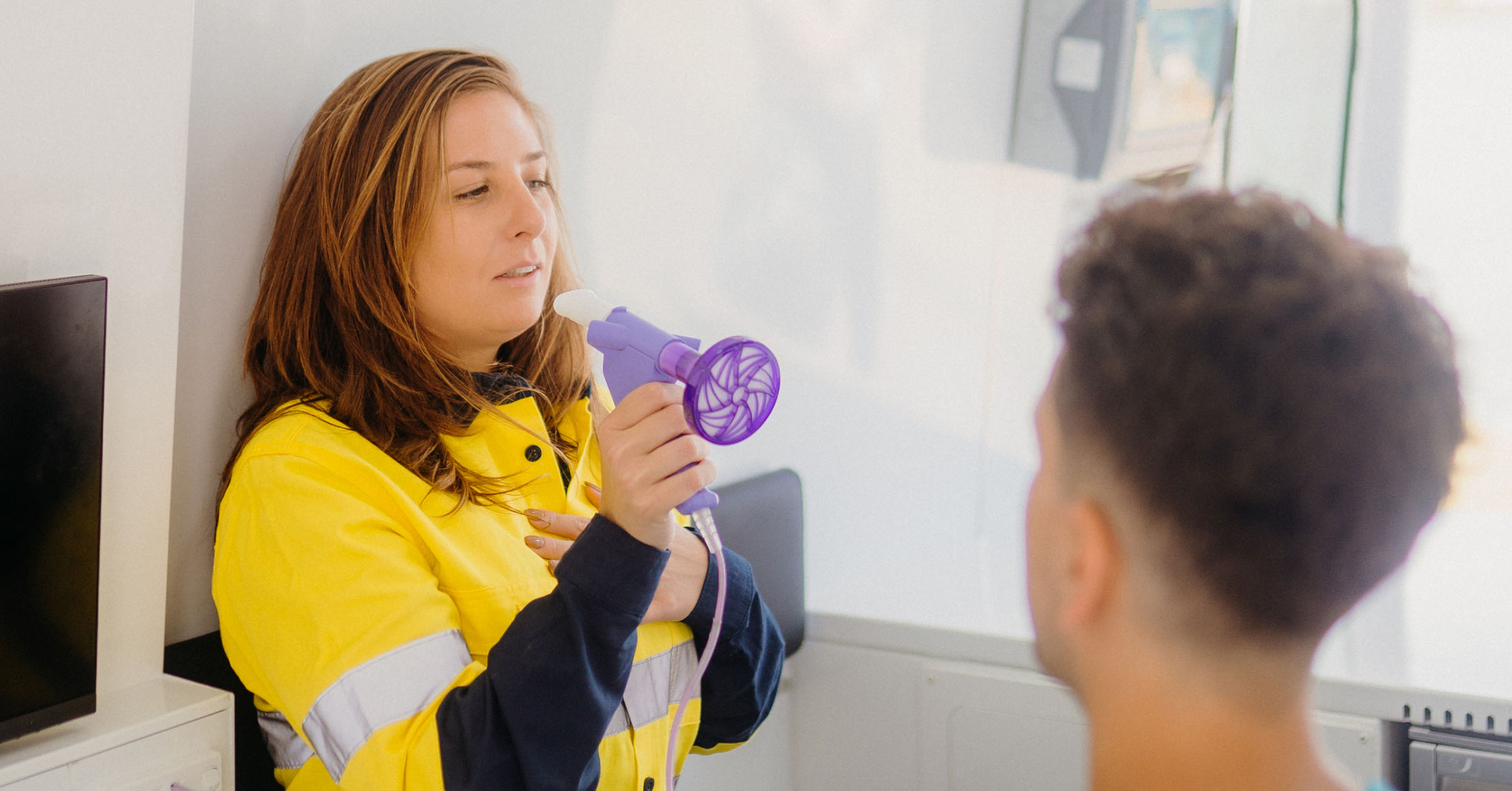
Schedule 14 medical assessments involve comprehensive health checks tailored to detect early effect from exposure to hazardous substances. Employees can expect baseline and periodic evaluations by registered medical practicians like Happy Health.
Medical assessments include:
- Medical history review
- Physical examination
- Spirometry (lung function test)
- Chest X-ray
- Biological monitoring – blood or urine test
These non-invasive tests help identify issues like respiratory damage or toxicity before they progress, ensuring worker fitness for duty and supporting informed return-to-work plans if needed.
Happy health conducts these assessments with clear reporting to maintain confidentiality and compliance.
Visit Safe Work Australia to see Exposure Standards.
Frequently asked questions
Here are some of the most common questions we get asked about Schedule 14 hazardous substance workplace health monitoring.
What is a hazardous substance?
A hazardous substance is any solid, liquid or gas that may be detrimental to a person’s health. These substances are categorised according to whether they have an immediate (acute) or long-term (chronic) impact on health.
What hazardous substances are in the workplace?
Occupational hazardous substances include isocyanates, lead, asbestos, crystalline silica, and 14 other dusts listed as hazardous. Visit the Safe Work website to learn more.
When should health monitoring take place?
Safe Work Australia has established a hazardous substances Code of Practice with recommended time periods for health monitoring and assessment methods as follows:
- Before a worker uses a hazardous substance in a workplace, or as soon as possible after they begin their role
- During the period of exposure while employed
- When a hazardous substance stops being used
Who conducts the assessment?
A registered medical practitioner with WHS expertise performs baseline and periodic checks, including medical history, exams, lung function tests, and biological sampling.
How often are tests required?
Frequency depends on exposure risk, typically annually or every two years. But must continue through the employment and 30 years pot-exposure for records.
What do employees need to do?
Provide informed consent, attend appointments, disclose relevant health history, and follow any recommendation for fitness for duty or restrictions.
How does Happy Health ensure compliance?
Happy Health delivers tailored programs with confidential reporting, long-term record storage, and regulator notifications to meet WHS Regulations.
What if results show health effects?
Happy Health guides return-to-work plans, further testing, or referrals while keeping result private between the worker, doctor, and employer as required.